Safari tips
Photographing wildlife on safari: practical tips
October 2026 · 5 min read
Chase the light, not the animal
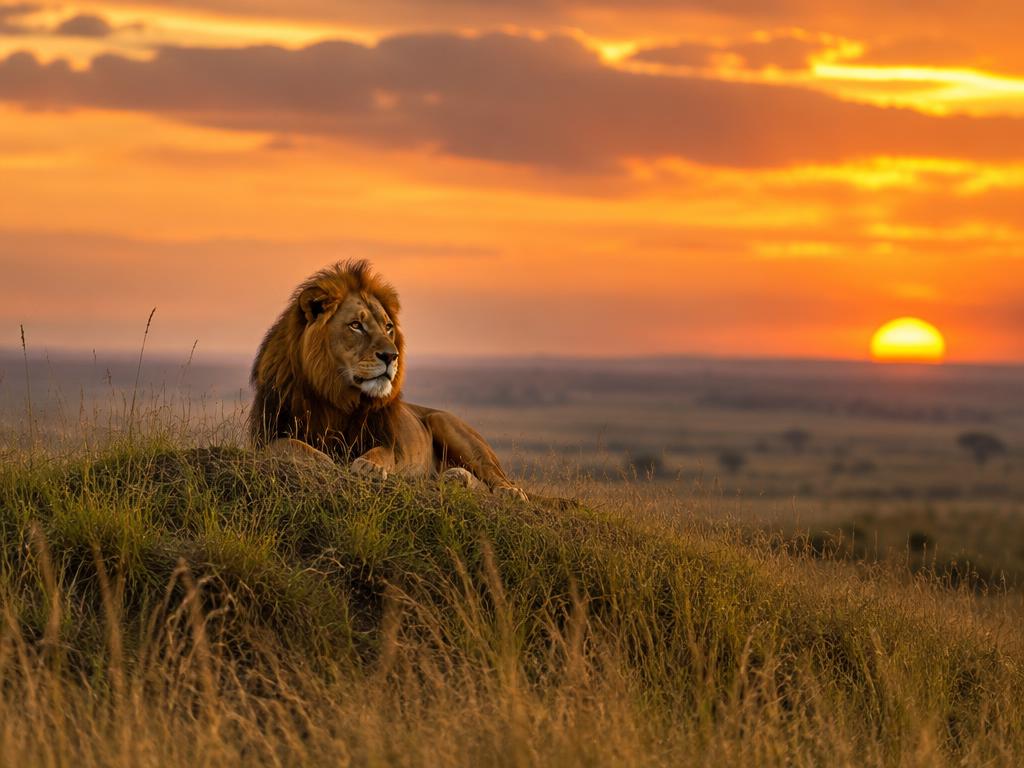
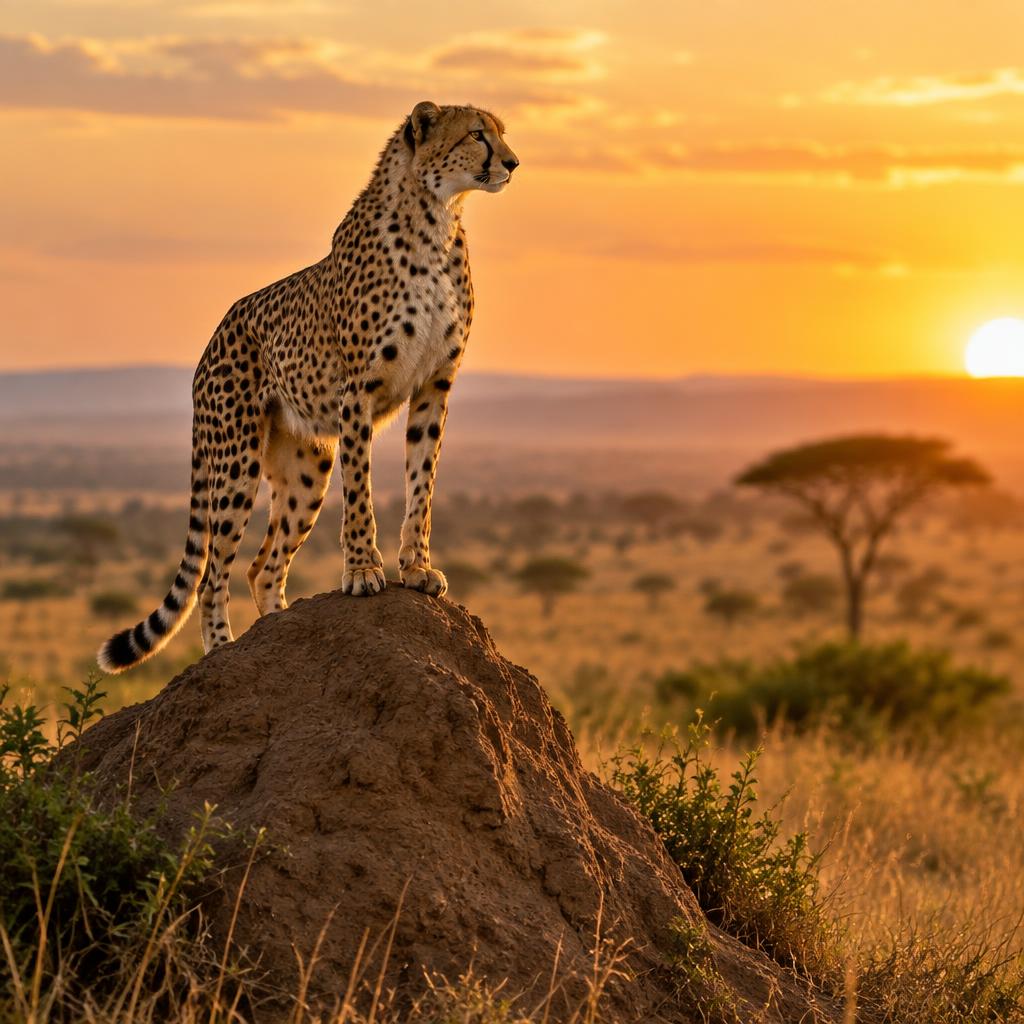
The hour after dawn and the two before dusk give wildlife photography its best light: warm, low and directional. Those are also the hours animals are most active, which is why good safaris start early and return late. Midday light is harsh and flat — use it for landscapes, or rest the camera and enjoy the shade.
Settings that hold up in the field
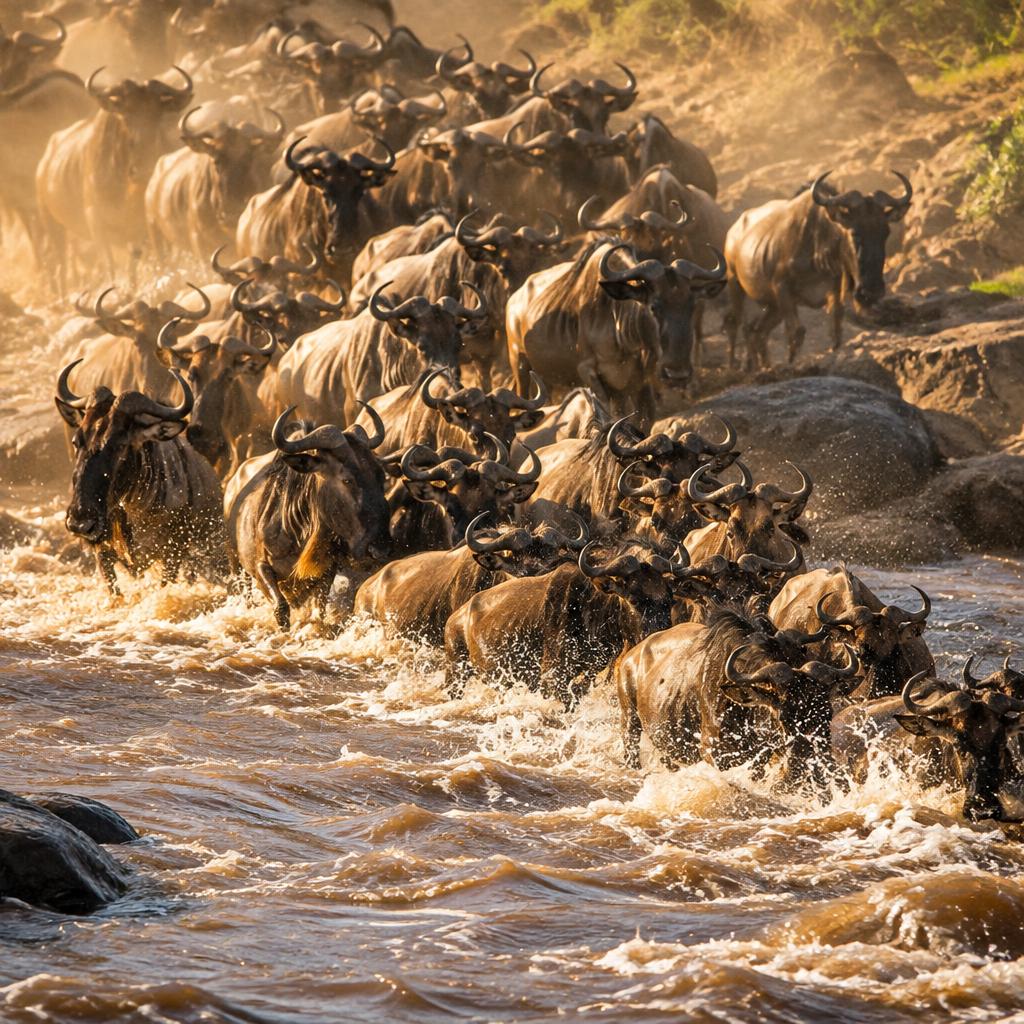
- Shutter speed first: 1/1000s or faster freezes a trotting animal; a walking lion can tolerate less.
- Keep ISO high enough to protect the shutter speed — grainy beats blurry every time.
- Continuous autofocus with burst mode for action; single point for portraits.
- Rest the lens on a beanbag against the vehicle's window frame for long glass — the cheapest stability upgrade there is.
Composition beats gear
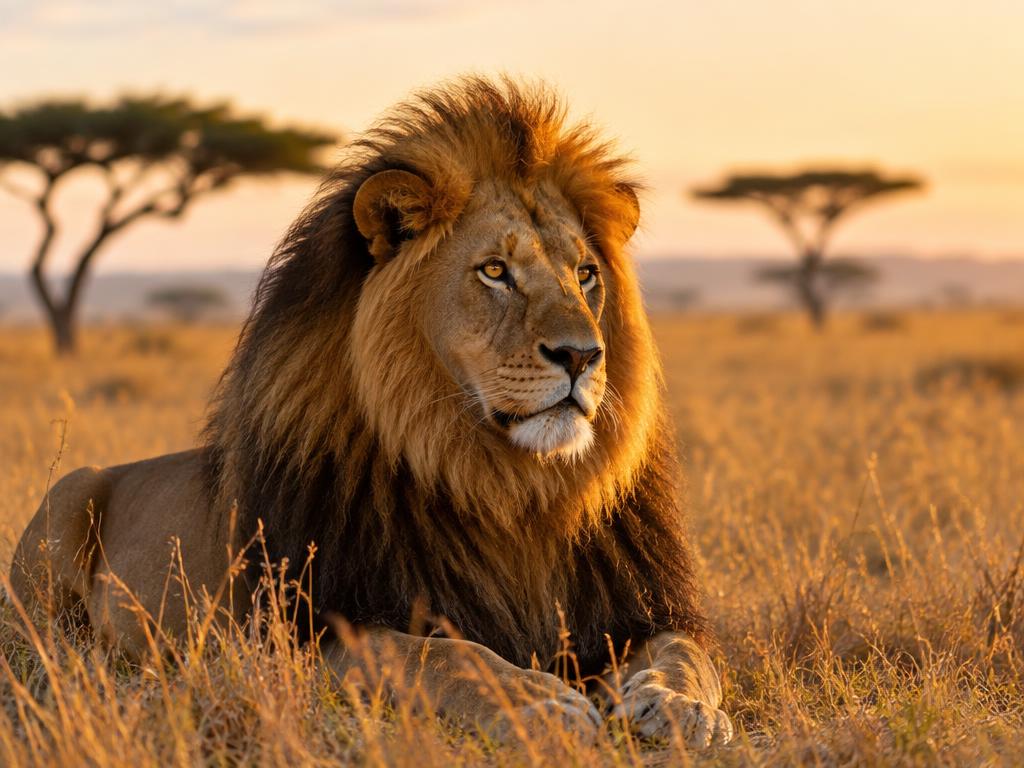
Shoot at eye level when you can — a lion photographed from vehicle height looks like a portrait; from above it looks like a rug. Leave space in front of a walking or looking animal so it has somewhere to go. And wait: the difference between a good photo and a great one is often the two minutes after everyone lowers their cameras.
The etiquette that keeps photos honest
Never ask your driver to break park rules or crowd an animal for a better angle — besides being wrong, it changes the very behaviour you came to photograph. No flash at night drives. Tell your guide what you are hoping for; a good guide will reposition the vehicle for light and angle long before you ask.
Practicalities
Dust is the real enemy: bring a blower brush, keep a dry bag handy, and change lenses sparingly in the field. Back up your cards every evening. And remember to put the camera down sometimes — the sight of a leopard in a Marula tree is not behind the viewfinder.