Wildlife facts
The Big Five, beyond the checklist
October 2026 · 5 min read
A hunting term that outlived the hunt
The Big Five — lion, leopard, African elephant, rhinoceros and Cape buffalo — began as a big-game hunting term for the five animals considered hardest and most dangerous to hunt on foot. Safari culture kept the phrase but changed its meaning: today the Big Five are the animals people most hope to see, photograph and protect.
What makes each one remarkable
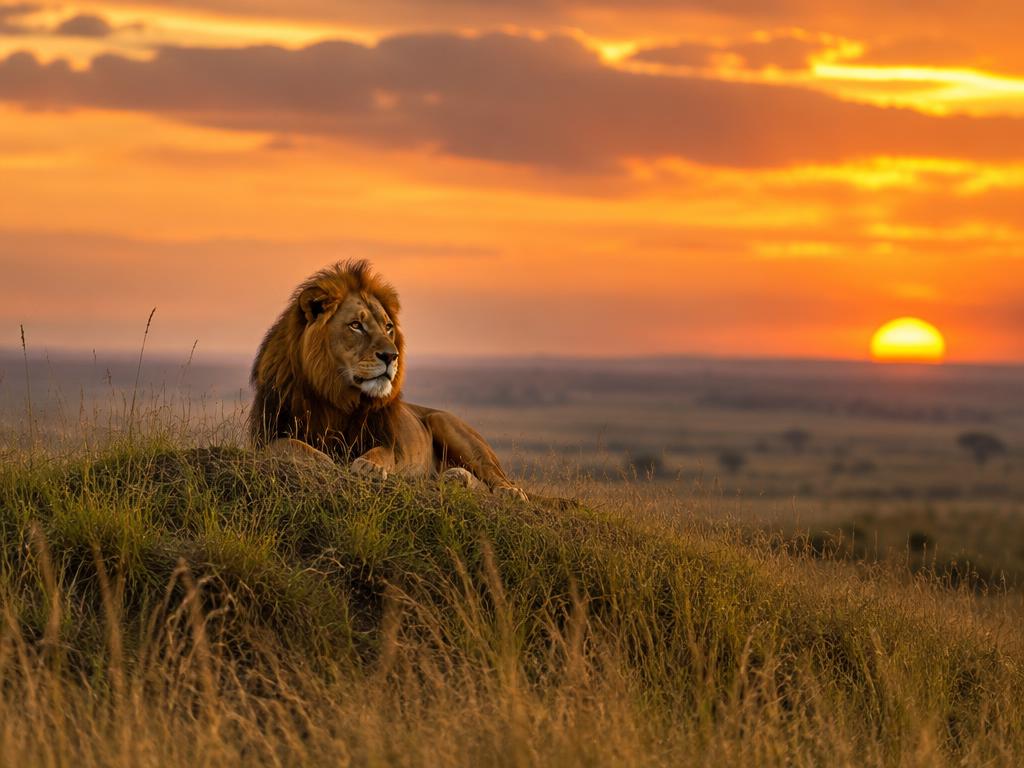
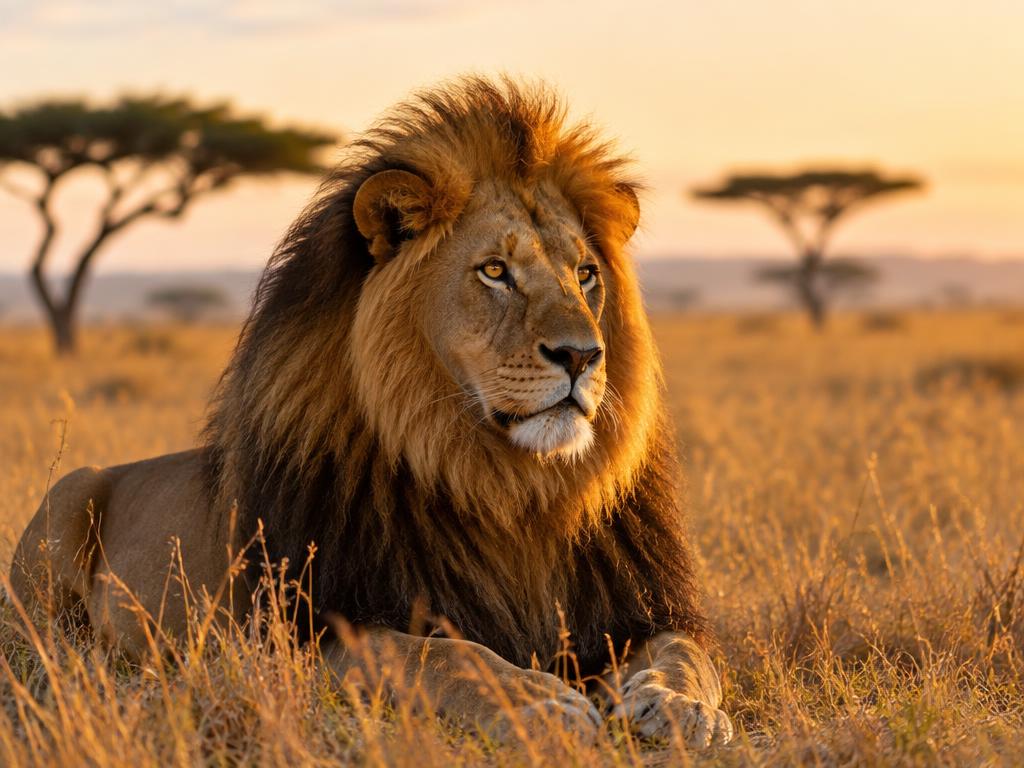
- Lion: Africa's only truly social cat. Prides of related lionesses do much of the hunting, and a pride's roar carries for kilometres across the plains.
- Leopard: solitary, secretive and astonishingly strong — leopards routinely hoist kills heavier than themselves into trees to keep them from lions and hyenas.
- Elephant: led by a matriarch whose memory of water sources and routes can decide a herd's survival in drought. An adult can eat well over a hundred kilograms of vegetation a day.
- Cape buffalo: sometimes called "the black death" — never domesticated, formidable in a charge, and known to mob predators to rescue a herd member.
- Rhino: a rhino's horn is made of keratin, the same protein as fingernails. Black rhinos browse on shrubs, white rhinos graze grass — and both remain among Africa's most endangered large mammals.
Where you might meet them
Kenya and Tanzania are strongholds for all five. The Maasai Mara and Serengeti are famous for lions and leopards; Amboseli and Tarangire for big elephant herds; the Ngorongoro Crater holds a high density of wildlife on a small floor, including black rhino; and buffalo turn up almost everywhere there is grass and water.
Seeing them well
A patient guide is worth more than luck. Keeping a respectful distance, letting animals settle, and waiting for behaviour — a hunt, a rescue, a tender moment between mother and calf — turns a checklist into a memory. That patience is exactly what a private guide is for.