Travel advice
When is the best time for a safari in Kenya and Tanzania?
October 2026 · 5 min read
The short answer
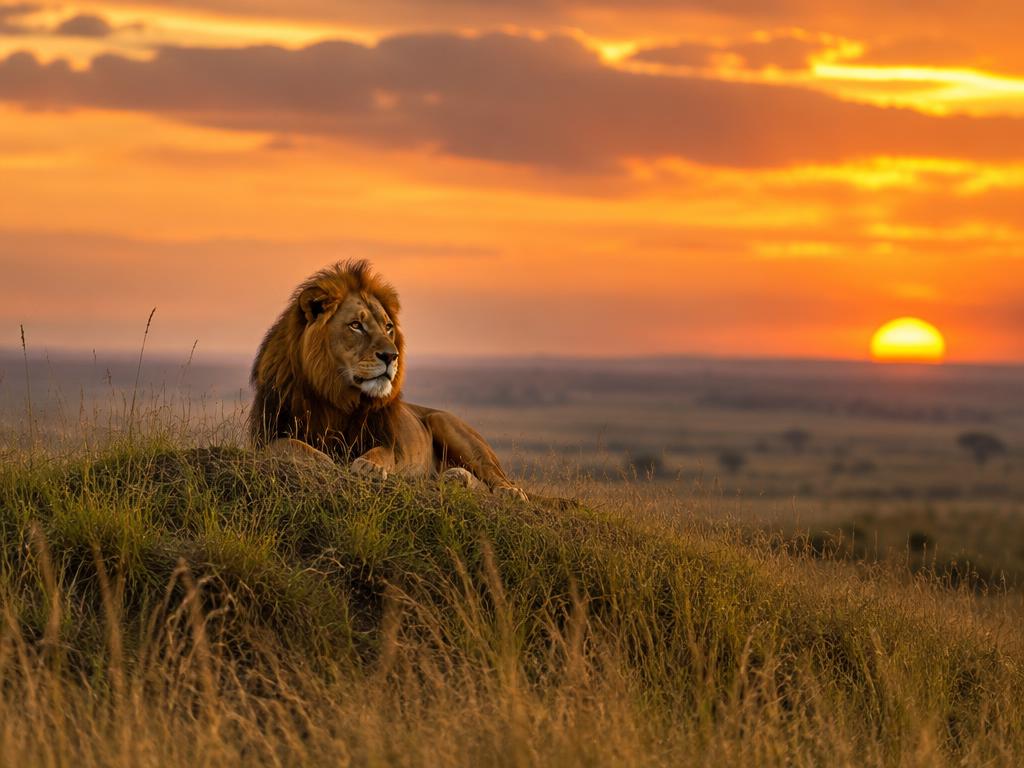
For most travellers, the sweet spot is the long dry season from June to October. Grass is short, animals gather at permanent water, and skies stay clear for photography. January and February, between the short and long rains, offer a second window of warm, mostly dry weather.
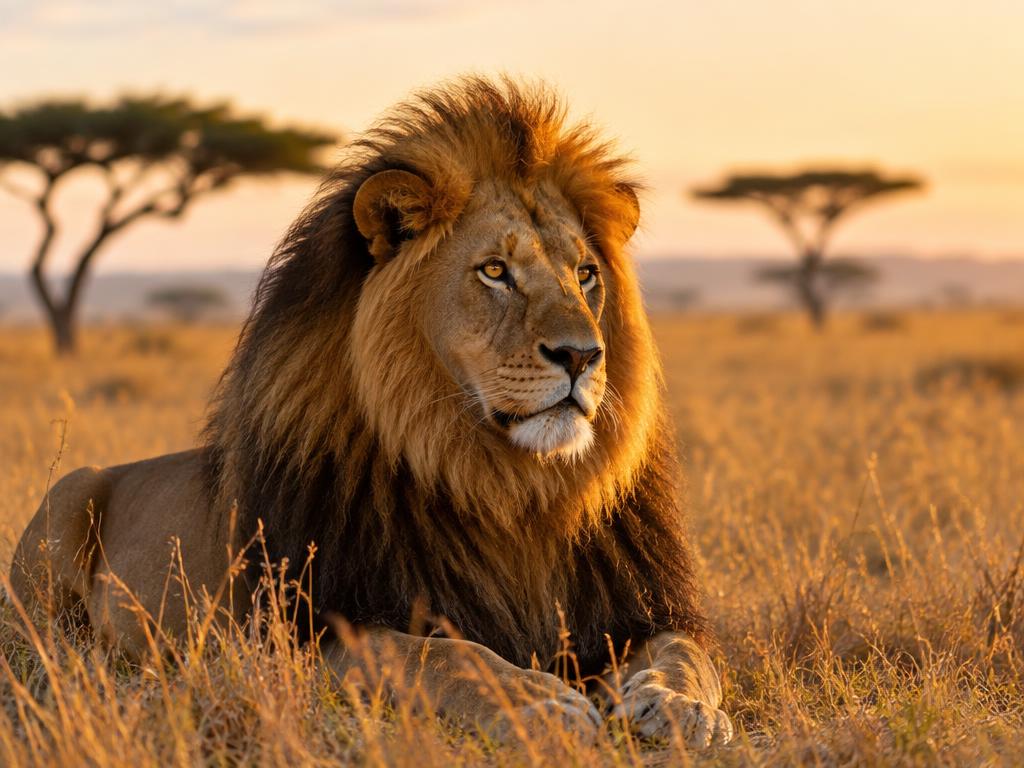
That said, "best" depends on what you want to see. The rainy months bring lush landscapes, newborn animals, dramatic skies and fewer vehicles around sightings — and for many returning safari-goers, the green season is a well-kept favourite.
Where the Great Migration fits in
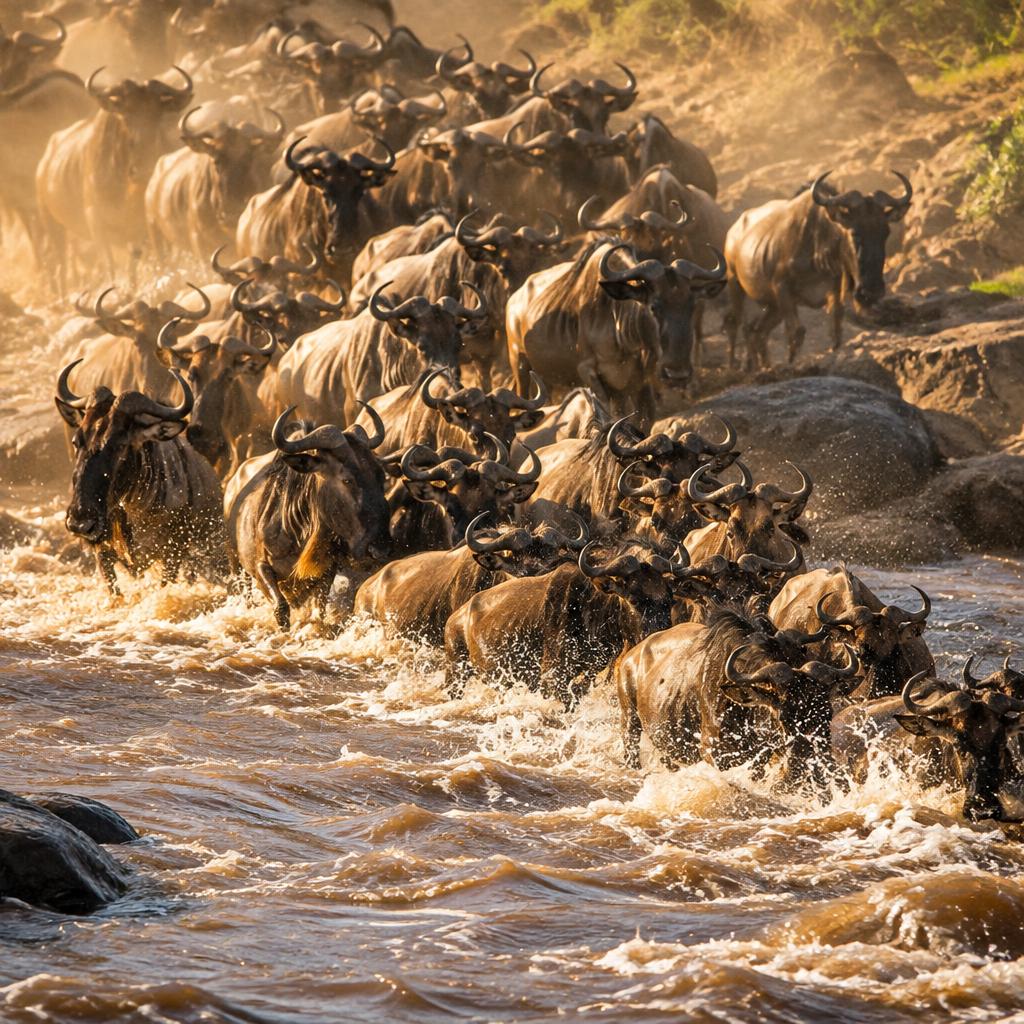
The Great Migration does not follow the calendar; it follows the rain. Broadly, the herds calve on the southern Serengeti plains from around December to March, move west and north as the dry season takes hold, and reach the Maasai Mara between roughly July and October before circling back south.
River crossings are the most famous — and the least predictable — chapter of that journey. A crossing can begin and end in an hour, and shifting rains can move the schedule by weeks, so plan the migration with flexibility rather than a fixed date.
Month by month
- January–February: warm and mostly dry; calving season on the southern Serengeti plains draws predators.
- March–May: the long rains. Green and quiet, with lower lodge rates and some camps and roads closing.
- June–July: landscapes dry out; herds begin moving north-west through the Serengeti's western corridor.
- July–October: peak game viewing; the migration reaches the Mara and river crossings are possible.
- November–December: the short rains freshen the plains; herds drift back toward the south.
What we would suggest
Tell us what matters most — predators, the migration, elephants under Kilimanjaro, or simply quiet mornings in the bush — and we will shape the itinerary and the dates around it. Every Japhra itinerary is prepared from scratch, and you will have a quote within 24 hours of your inquiry.